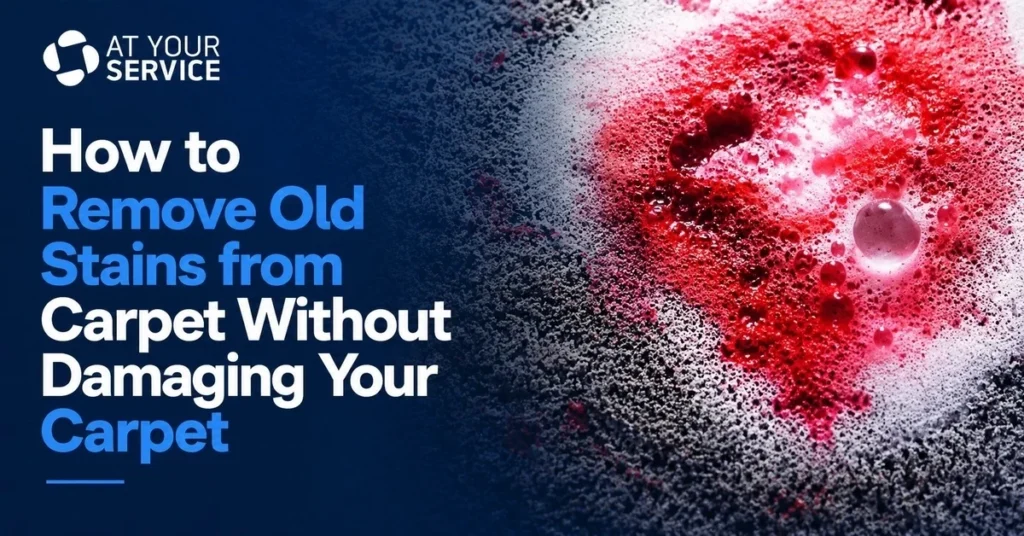
Old carpet stains are frustrating, but they’re not always permanent. The difference between a stain that comes out and one that stays for good usually comes down to three things: what the stain is, how long it’s been there, and whether the right method is used to treat it.
This guide covers everything New Zealand homeowners need to know about how to remove old stains from carpet, from the best DIY methods using baking soda, vinegar, and hydrogen peroxide, to the stains that genuinely cannot be removed at home, and when it’s time to call in a professional.
Why Old Carpet Stains Are Harder to Remove Than Fresh Ones
Fresh spills sit on the surface of carpet fibres. Old stains have had time to dry, oxidise, and bond chemically with the fibre. Old carpet stains are much more difficult to remove because they embed deeper into the fibres over time. For some stain types, particularly tannin-based stains like coffee, tea, and red wine, the longer they sit, the more they cross-link with the carpet fibres, making removal significantly harder.
There’s also the problem of previous treatment. Many set-in stains are difficult not because of the original spill, but because of what was applied to them at the time. Applying multiple carpet stain removers on one stain can cause chemical reactions that set stains permanently or damage fibres. If someone scrubbed the stain, used a bleach-based product, or over-wetted the area, they may have already locked the stain in before it had a chance to be properly treated.
Understanding what you’re dealing with before reaching for any product is the most important step in successful old carpet stain removal.
Understanding the Types of Carpet Stains
Not all stains respond to the same treatment. Getting this right is the foundation of effective cleaning carpet stains without causing damage.
Water-Soluble Stains
These are the most common and most treatable. They include food and drink stains like coffee, tea, juice, soft drink, beer, and most food spills. If you don’t know the type of stain, sponge it with dishwashing liquid then rinse with cold water unless otherwise directed. Hot water will set some stains.
Water-soluble stains that have been left to dry can usually be reactivated with warm water and a small amount of dish soap before treating.
Protein-Based Stains
These include blood, vomit, pet urine, dairy, and egg. Protein stains require enzyme-based solutions that digest organic matter, but only at the right pH and temperature, otherwise they won’t work effectively. The key rule with blood and other protein stains is always to use cold water, never hot. Heat permanently sets protein stains into the fibre.
Oil and Grease Stains
Cooking oil, grease, butter, make-up, and similar substances require a solvent-based approach rather than water. Fat and oil stains respond to solvents such as white spirits, turpentine, or acetone-based nail polish remover applied sparingly. Always blot rather than rub, and work from the outer edge of the stain inward to avoid spreading it.
Tannin-Based Stains
Red wine, coffee, tea, and some fruit juices fall into this category. Coffee stains are tannin-based and usually require an acidic stain remover to break down the residue without damaging fibres. Wine spills often need oxidising agents to lift the colour without bleaching surrounding areas.
Dye-Based Stains
Food colouring, cordial, ink, and some children’s paints contain artificial dyes that can penetrate deep into carpet fibres quickly. Permanent stains from cordial dyes, ball point ink, and shoe polish can sometimes be reduced but not fully removed without specialist treatment. These are among the most challenging stains to treat at home.
Essential Rules Before You Treat Any Old Stain
Act quickly so the stain doesn’t set. First, soak up as much of the stain as possible with paper towels. Dab or brush lightly towards the centre of the stain. Never rub a stain. If in doubt about a stain removal treatment, test on an inconspicuous spot first.
For old stains specifically, add these steps before applying any cleaning solution:
Dry vacuum first.
Before applying any moisture to an old, dried stain, vacuum the area thoroughly to remove any loose dried particles sitting on the surface. This prevents them being pushed deeper into the pile during wet treatment.
Rehydrate the stain gently.
For most set-in stains, lightly misting the area with plain cold water and allowing it to sit for two to three minutes helps reactivate the dried material and makes it more responsive to treatment.
Always test your solution first.
Apply a small amount of whatever cleaning solution you plan to use to a hidden area of carpet, such as inside a wardrobe or behind a door. Wait five minutes and blot with a white cloth. If colour transfers or the carpet changes, do not use that product on the stain.
Work from the outside in.
To prevent the stain from spreading, work from the outside edges towards the centre.
How to Remove Old Stains from Carpet Through DIY Methods
Method 1: Dish Soap and Warm Water (Most Stains)
This is the safest starting point for most unknown or general stains.
Mix ¼ teaspoon of liquid dishwashing soap with 1 cup of warm water. Do not use detergents that contain bleach. Spray or apply the soap solution on the stain. Blot gently with a clean white cloth, working from the edges inward. Repeat until the stain lifts. Rinse with plain cold water and blot dry.
This method works well for food spills, general soiling, and many water-soluble stains that have been left to set.
Method 2: How to Remove Old Stains from Carpet with Baking Soda and Vinegar
This is one of the most widely used home remedies for carpet stain removal and works particularly well on food and drink stains, pet odours, and general organic stains.
Sprinkle baking soda generously over the stained spot, covering the area completely. Spray white vinegar on top of the baking soda. The fizzing reaction helps break down residue that’s stuck deep in the carpet fibres and can help with lingering odours.
Step by step:
- Vacuum the area first to remove any loose material
- Sprinkle a generous layer of baking soda over the entire stained area
- Mix equal parts white vinegar and cold water in a spray bottle
- Spray the vinegar solution over the baking soda until it begins to fizz
- Leave the mixture to work for at least 5 to 10 minutes (15 to 20 minutes for older or larger stains)
- Blot the area with a clean white cloth, working from the outside in
- Rinse with plain cold water and blot dry thoroughly
Baking soda in powder form is an absorbent and neutraliser. When applied to a spill, baking soda can help neutralise strong acids and alkaline substances and will absorb moisture.
Important note for NZ wool carpet owners:
Vinegar is acidic and is generally safe for wool carpet when diluted. However, always test on a hidden area first, and avoid leaving vinegar solution on wool carpet for extended periods, as prolonged exposure to acid can affect the fibre.
Method 3: How to Remove Old Stains from Carpet with Hydrogen Peroxide
Hydrogen peroxide is effective on many tough organic stains including blood, food stains, and some drink stains. However, it must be used carefully.
Hydrogen peroxide is another option, but only use it on light-coloured carpets because it can bleach the colour if the carpet is too dark. Always test a hidden spot of carpet first. Begin by vacuuming the area to remove any loose particles. Apply hydrogen peroxide to the stain, ideally using a spray bottle. Let it sit for a few minutes and use a bristle brush to gently scrub the stain. Use a cloth or steam vacuum to pull the peroxide out of the carpet.
Spray hydrogen peroxide on the old stain and saturate the area if needed to loosen the stain’s particles. Let it sit for about 10 to 15 minutes, then use a stiff brush to work on the stain to help loosen it further.
Use 3% hydrogen peroxide only (the standard pharmacy-grade product). Higher concentrations carry a higher risk of bleaching. Do not use on dark, bright, or patterned carpets without testing first.
Method 4: How to Remove Old Stains from Carpet with Vinegar Alone
For light stains or as a follow-up treatment after baking soda application, a plain vinegar solution can be effective.
Mix one part white vinegar with two parts cold water. Spray directly onto the stained area and allow to sit for five minutes. Blot gently with a clean cloth. Rinse with cold water and blot dry. For pet urine stains, mix 2 cups of vinegar, 2 cups of warm water, and 4 tablespoons of baking soda for a more concentrated treatment.
Method 5: Enzyme Cleaner for Pet Stains and Odours
For pet urine, vomit, and other protein-based old stains, enzyme-based carpet cleaners are the most effective option. For urine-based stains, allow the enzyme solution to sit for 10 to 15 minutes to allow the enzymes to break down the proteins. Use an old toothbrush to agitate fibres during the final rinse step and ensure thorough removal of all traces.
Enzyme cleaners are available from most NZ supermarkets and pet stores. They work by biologically breaking down the organic compounds in the stain rather than just masking them, which is why they’re more effective at eliminating odours as well as the visible stain.
Specific Stain Removal Guides
How to Remove Blood Stains from Carpet
Brush as much dried blood off the carpet as possible. Vacuum the carpet. Mix one teaspoon of dishwashing liquid with 2 cups of cold water. Soak a clean rag in the mix and wet the stain with it. Blot the liquid with a clean towel.
Never use hot water on blood stains. For older blood stains that have fully dried, hydrogen peroxide (on light-coloured carpet) is the most effective treatment. Apply, leave for 10 minutes, then blot and rinse with cold water.
How to Remove Coffee and Tea Stains from Carpet
Apply a baking soda and vinegar solution to coffee stains and let the fizzing reaction work for about five minutes before gently scrubbing with a microfibre cloth or soft-bristled brush, then blot the carpet dry with paper towels.
For older, set coffee stains, pre-treating with a small amount of glycerine (available from pharmacies) and leaving it for 10 minutes before applying the vinegar-water solution can improve results significantly.
How to Remove Red Wine Stains from Carpet
Mix a cup of hydrogen peroxide with half a teaspoon of dish soap. Use a light-coloured towel to dab the solution onto the stain. Let the cloth sit on the stain for five to ten minutes. Absorb the wine and cleaning solution with a clean towel and rinse with water.
For older, dried red wine stains, the white wine technique can help: apply a small amount of white wine or club soda to rehydrate the stain before treating with the hydrogen peroxide and dish soap mixture.
How to Remove Grease Stains from Carpet
Apply a fat or oil solvent such as white spirits, turpentine, or acetone-based nail polish remover sparingly to grease stains. Apply with a clean cloth, blot gently, then follow up with a dish soap and warm water treatment to remove any solvent residue. Never over-apply solvent, as excess moisture from any source can cause wicking.
How to Remove Candle Wax and Chewing Gum from Carpet
For both candle wax and chewing gum, the freezing method is most effective. Place a bag of ice cubes directly on the wax or gum until it becomes brittle. Once hardened, gently break it away from the fibres using a blunt instrument. Vacuum up the pieces. For remaining residue, apply a small amount of acetone or white spirits to a cloth and blot gently. Follow up with a dish soap and water treatment.
How to Remove Pet Urine Odour and Staining
Old pet urine stains are among the most challenging to fully treat at home because urine soaks through the carpet fibres and into the underlay. Baking soda applied to a spill can help neutralise strong odours and will absorb moisture, but for deep-set pet staining it is often not enough on its own.
For genuinely old pet stains, an enzyme-based cleaner is the most effective home option. Apply generously enough to reach the underlay, leave for 15 to 20 minutes, then blot thoroughly. In some cases, the underlay itself has absorbed enough urine that even professional cleaning cannot fully eliminate the odour, and underlay replacement is the only option.
What Stains Cannot Be Removed from Carpet?
This is the question most guides avoid answering directly. Here’s the honest answer.
Some stains permanently alter carpet fibres and cannot be reversed by cleaning. Chemical or dye stains often permanently alter the fibre itself, which is why experienced professional cleaners never promise guaranteed stain removal without assessment.
Stains that are typically permanent or only partially improvable include:
Bleach and chemical damage.
Bleach doesn’t stain carpet, it removes the dye from the fibre permanently. There is no cleaning method that can reverse bleach damage. The only solution is carpet patching or dyeing.
Strong artificial dyes.
Strong dyes such as red wine, juice, ink, and food colouring can sink deeply into fibres and the padding over time. They penetrate too far for surface cleaning alone to reach.
Burns.
Heat damage to carpet fibres is permanent. Burnt areas may need to be cut out and patched.
Acid damage.
Battery acid and some cleaning chemicals can permanently damage fibre structure in ways that cannot be reversed.
Very old, untreated stains.
Some stains permanently change the carpet’s colour and cannot be removed. The longer a stain has been present and untreated, the more likely it has chemically bonded with the fibre beyond the point of full removal.
Most permanent stains can be reduced even on wool carpets, but some damage such as acid burns may need to be cut out and replaced.
Common Carpet Cleaning Mistakes That Make Stains Worse
Rubbing Instead of Blotting
Never rub a wet carpet stain. Instead, absorb it with plain white paper towels using a gentle blotting and dabbing action. Rubbing can drive the liquid deep into the pile and into the backing, making it much harder to remove.
Over-Wetting the Carpet
Don’t saturate the carpet. If the backing gets wet, its colour can come through, creating a new stain. Mould can grow if the carpet doesn’t dry quickly. Use the minimum amount of moisture needed and always blot dry thoroughly after treating.
Using Bleach or the Wrong Product
Wool, silk, synthetics, and non-colourfast carpets can be damaged by some chemicals such as bleach or methylated spirits. Never use chlorine bleach on carpet. Always check that your chosen cleaning product is appropriate for your carpet fibre type.
Mixing Multiple Cleaning Products
Never apply multiple carpet stain removers on one stain. This can cause chemical reactions that set stains permanently or damage fibres. Choose one method, apply it correctly, allow it to work, and assess the result before trying anything else.
Waiting Too Long
The single biggest mistake is leaving stains untreated. Old carpet stains are much more difficult to remove as they embed deeper into the fibres. Act quickly for best results. Even if you don’t have the right product immediately, blotting to remove as much of the stain as possible right away significantly improves the chances of full removal later.
Not Drying the Carpet Properly After Cleaning
Soak up residual moisture thoroughly after treating any stain. Mould can grow if the carpet doesn’t dry quickly. In New Zealand’s damp climate, this is a genuine risk, particularly in winter. Use paper towels to blot, then place a dry towel over the area and press firmly. Open windows and use fans to improve airflow. For larger treated areas, a dehumidifier significantly speeds up drying.
Why Baking Soda Is Sprinkled on Carpet Before Vacuuming
This is a common question, and the answer is practical. Baking soda is a neutraliser and in powder form an absorbent product. It can help neutralise strong acids and alkaline substances and will absorb moisture. When sprinkled on carpet and left for 15 to 30 minutes before vacuuming, it absorbs odours and draws surface moisture and oils to the top of the pile, making them easier to vacuum away. It won’t remove deep stains on its own, but it’s a safe, effective first step for odour removal and light surface refreshing.
When DIY Isn’t Enough?
There are clear situations where professional carpet cleaning is the right call, and trying further DIY treatment is likely to make things worse.
Large or stubborn stains may need professional carpet cleaning. Some stains permanently change the carpet’s colour so they can’t be removed.
Consider calling a professional when:
- The stain covers a large area or has soaked through to the underlay
- The stain has been there for an extended period (months or years)
- Multiple DIY attempts haven’t worked or have made the stain worse
- The carpet is wool or a delicate natural fibre where DIY risk is higher
- There are pet odours that persist despite enzyme treatment
- The stain is on a valuable or expensive carpet
Professional carpet cleaning is extremely effective at removing soil and many organic stains. Even if full removal isn’t possible, professional treatment can significantly reduce the appearance of set-in staining in most cases.
For old, stubborn stains across larger areas, a professional carpet cleaning service can assess what’s achievable before committing to treatment, which is something no DIY method can offer. And for properties where carpet condition affects a bond refund, professional treatment backed by a receipt gives you the best protection at the final inspection, something worth considering if you’re approaching the end of tenancy cleaning stage of your tenancy.
How to Keep Carpets Cleaner and Avoid Future Staining
Prevention is genuinely easier than treatment.
Treat spills immediately.
The fastest response gives the best result. Keep a small supply of basic stain-treatment products at home so you’re ready when accidents happen.
Vacuum regularly.
Use mats or runners at all home entrances and on uncarpeted areas adjoining carpet to reduce soil and moisture in traffic areas. Regular vacuuming removes the abrasive dry soil particles that accelerate fibre wear and make staining worse over time.
Consider stain protection treatment.
Many professional carpet cleaners offer Scotchgard or equivalent stain protection applications after cleaning. These create a barrier that gives you more time to blot a spill before it penetrates the fibre.
Follow your carpet manufacturer’s care guidelines.
To maintain your carpet, it needs to be professionally cleaned using the hot water extraction method every 12 to 18 months as per both the manufacturer’s recommendations and NZ Standard 3733. Keeping carpets professionally maintained at the right intervals prevents the build-up of soil and oils that make staining worse over time.
Frequently Asked Questions
How do you remove old stains from carpet at home?
Start by vacuuming the area to remove loose particles, then rehydrate the stain lightly with cold water. Apply a baking soda and vinegar solution, dish soap and warm water, or hydrogen peroxide (on light-coloured carpets only), working from the outside of the stain inward. Blot, never rub. Rinse with cold water and blot dry thoroughly. Always test any solution on a hidden area first.
Does baking soda and vinegar actually work on old carpet stains?
Yes, baking soda and vinegar work well together on old carpet stains. They break down residue stuck deep in the carpet fibres and can help with lingering odours. They work best on food, drink, and pet-related stains. They are less effective on dye-based or oil-based stains, which require different treatments.
Is it safe to use hydrogen peroxide on carpet stains?
Hydrogen peroxide can bleach darker carpets, so it should only be used on light-coloured carpets and only after testing on a hidden area first. Use standard 3% pharmacy-grade hydrogen peroxide only. It’s effective on blood, food, and some drink stains.
What stains are impossible to remove from carpet?
Some stains permanently alter carpet fibres and cannot be reversed by cleaning. These include bleach damage, burns, and strong dye-based stains that have fully penetrated the fibre and backing. Most other stains can be significantly reduced or removed with the right treatment, though full removal is less likely the longer a stain has been present.
What is the hardest stain to get out of carpet?
Strong dyes such as red wine, artificial food colouring, ink, and cordial are among the hardest to remove because they sink deeply into fibres and the padding over time, penetrating too far for surface cleaning alone to reach. Bleach damage and burns are technically not stains but cause permanent colour or fibre damage that cannot be cleaned out.
How long should you leave baking soda on carpet?
For odour removal, leave baking soda for at least 15 to 30 minutes before vacuuming. For old stains when combined with a vinegar solution, leave the fizzing mixture to work for 10 to 20 minutes before blotting. Leaving it overnight on heavily odour-affected areas is safe for most carpet types, though it should not be left wet.
Can professional carpet cleaning remove old stains that DIY couldn’t?
Often, yes. Professional carpet cleaning is extremely effective at removing soil and many organic stains where DIY methods have reached their limit. Professionals assess the stain type, carpet fibre, and prior treatment before choosing the appropriate method and chemistry, which is why professional treatment frequently succeeds where repeated DIY attempts have not.